Powder metal parts play a key role in modern engineering. These components offer strength, precision, and efficiency. Many industries rely on these components for reliable performance.
Powder metallurgy enables the production of high-quality parts with consistent properties and complex shapes. It supports efficient manufacturing while reducing material waste and production costs.
Advanced solutions in this field focus on delivering precision components through controlled processes and reliable engineering methods.
What Are Powder Metal Parts?
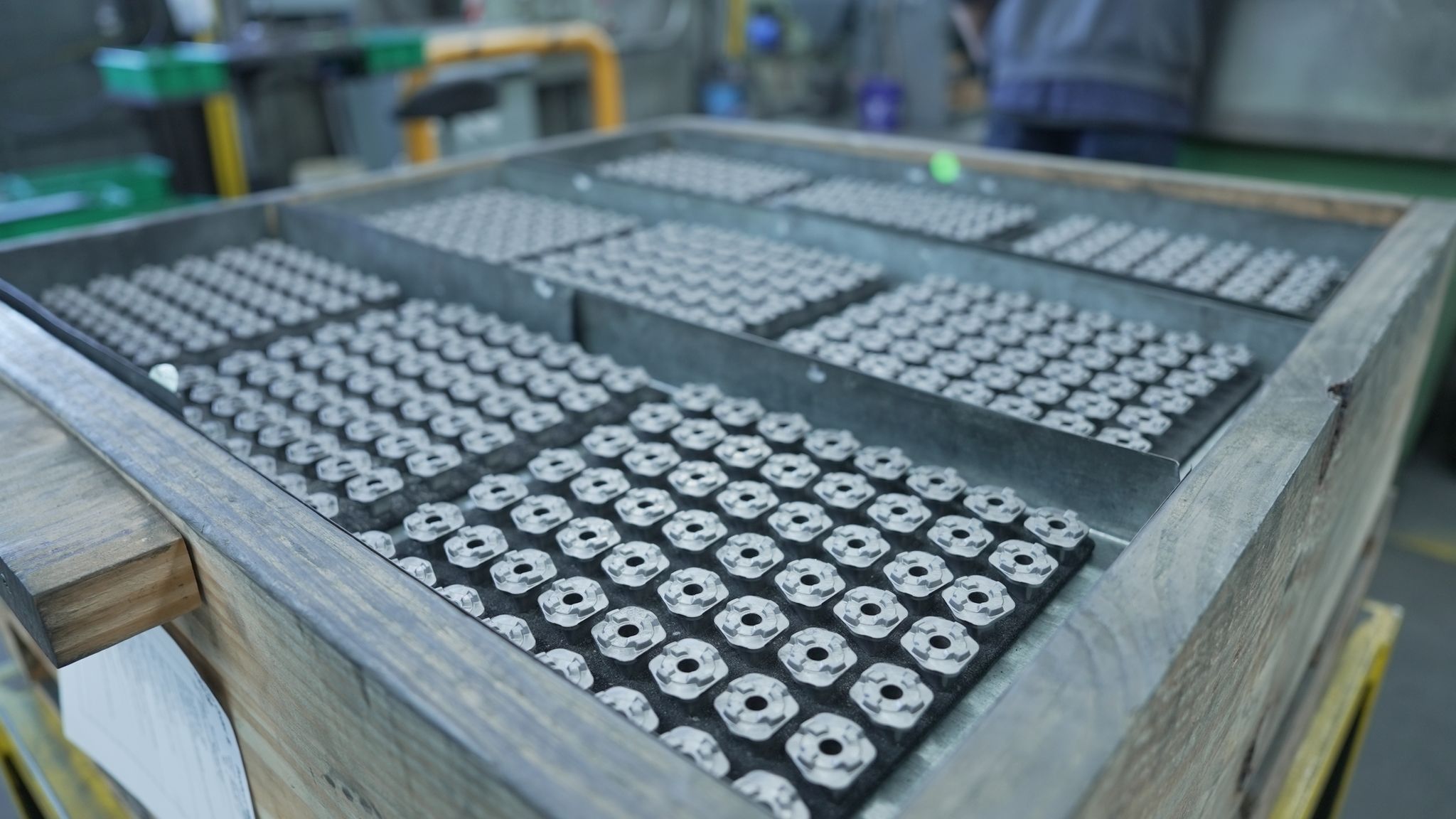
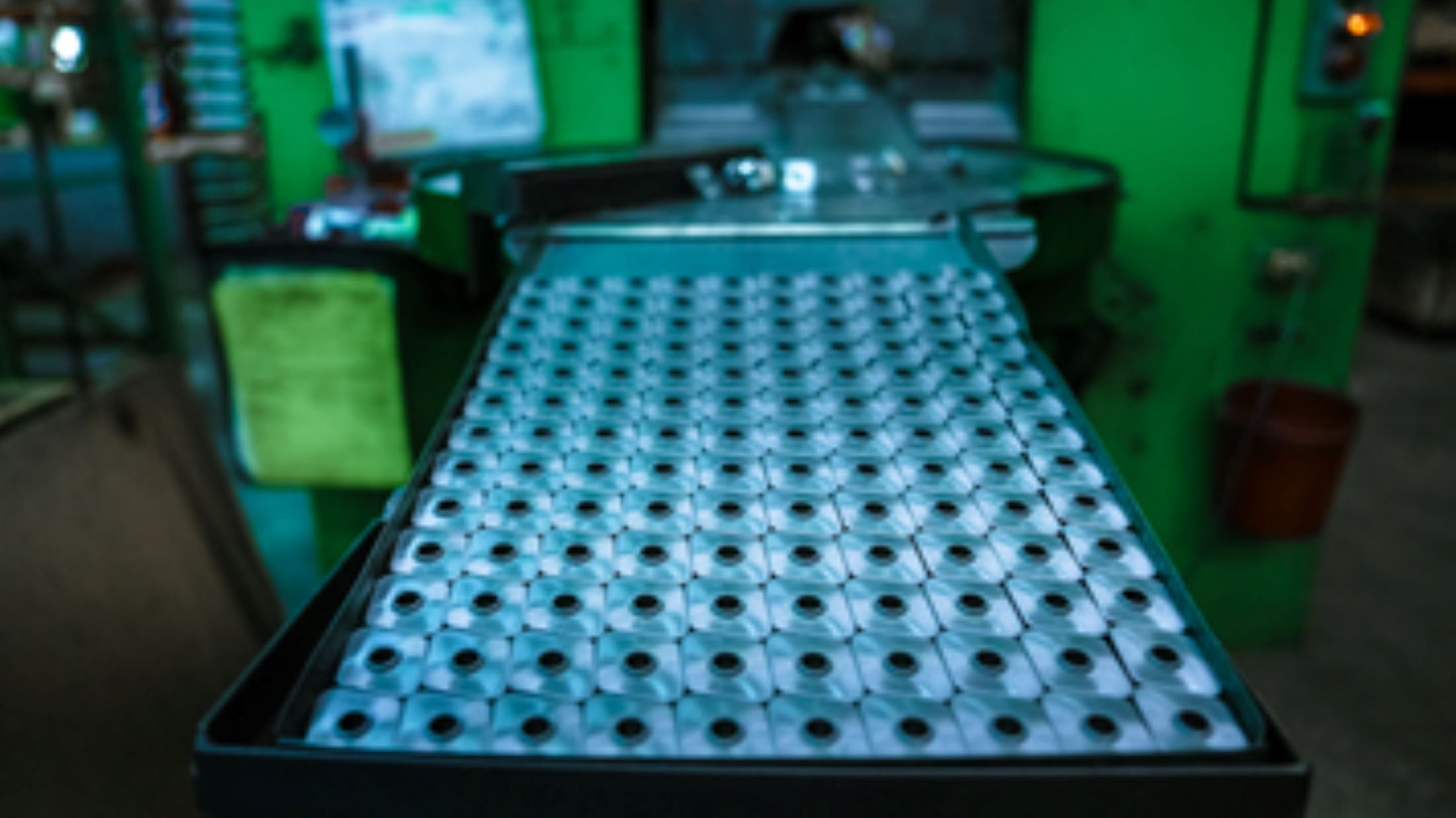
Powder metal parts are made using fine metal powders. These powders are shaped under pressure. The compacted parts are then heated in a controlled furnace. This process is called sintering.
The heating step bonds the particles together. It creates a solid and durable part. The process avoids full melting of the metal. This helps maintain control over structure and properties.
Powder metallurgy supports complex shapes. It also reduces material waste. These benefits make it a preferred choice in modern engineering.
Powder Metallurgy Manufacturing Process
The process used in powder metallurgy manufacturing follows clear steps. Each step adds value to the final product.
First is powder preparation. Raw metals are turned into fine powder. Methods like atomization are used. Next comes mixing and blending. Powders are combined with additives. This ensures uniform composition. Then comes compaction. The mixture is pressed into a die. This forms a green part. The part holds its shape but lacks full strength.
The final step is sintering. The part is heated below the melting temperature. The particles bond and gain strength. The result is a finished component. Each step is controlled with care. This ensures consistent quality and performance.
Key Benefits of Powder Metal Parts
Powder metal parts provide several important benefits. These advantages make them valuable in many industries.
One key benefit is near-net shape production. Parts come close to final dimensions. This reduces the need for machining.
Another benefit is high material efficiency. More than 95% of the material becomes part of the final product. This reduces waste.
Powder metallurgy also supports complex designs. Engineers can create shapes that are hard to machine. It allows controlled porosity. This is useful for self-lubricating parts. Bearings benefit from this feature. Energy use is also lower compared to forging or casting. This supports sustainable manufacturing.
Materials Used in Powder Metallurgy
Different materials are used in powder metallurgy. Each material suits specific applications.
Iron and steel are the most common, offering strength and durability. These materials are used in automotive and machinery.
Stainless steel provides corrosion resistance. It is used in harsh environments.
Bronze and copper are used for electrical and bearing applications. These materials provide good conductivity and wear resistance.
Aluminum is used for lightweight components. It is common in the aerospace and automotive industries.
Soft magnetic composites are used in electrical devices. These materials improve magnetic performance.
Volunteer Sintered Products works with these materials to deliver reliable components.
Applications of Powder Metal Parts
Powder metal parts are used across many industries. These parts support critical systems and applications.
In the automotive industry, they are widely used. Gears, sprockets, and connecting rods rely on powder metal parts. These components need strength and precision.
In machinery, powder metal parts improve performance. These components reduce friction and wear.
In aerospace, they help reduce weight. This improves efficiency and fuel use.
Medical devices also use powder metal parts. Precision and reliability are essential here.
Firearms and tools also depend on these components. Their strength and durability make them suitable for demanding use.
Custom Powder Metal Parts Solutions
Every application has unique needs. That is why custom powder metal parts solutions are important.
Volunteer Sintered Products works closely with clients. The team studies requirements and designs tailored solutions. This ensures each part fits the application. The company handles both small and large production runs. It supports simple and complex designs.
From concept to final product, the process stays focused on quality. Each part is made with attention to detail. Custom solutions help improve performance. They also reduce cost and waste. This makes them valuable for long-term use.
Design Guidelines for Powder Metal Parts
Good design improves the quality of powder metal parts. Engineers follow key guidelines during development. Density is important. Higher density leads to better strength. Some parts may need additional processes like Hot Isostatic Pressing.
Wall thickness should be controlled. A minimum of 0.100 inches is recommended. A range of 0.125 to 0.200 inches works best for strength. Sharp corners should be avoided. Smooth transitions improve durability. Re-entrant angles are also limited. These features are hard to produce with pressing. Tolerances can be improved using sizing. This process refines dimensions after sintering. Following these guidelines ensures better results.
Types of Powder Metallurgy Processes
Different powder metallurgy methods are used for different needs. Conventional press and sinter is the most common. It works well for high-volume production. Metal Injection Molding is used for small and complex parts. It combines powder metallurgy with injection molding.
Hot Isostatic Pressing applies heat and pressure together. It achieves near full density. Additive manufacturing uses metal powder layer by layer. It is useful for prototyping and complex designs. Each method offers unique benefits. The choice depends on the application.
Conclusion
Powder metallurgy continues to shape modern engineering. It offers efficiency, precision, and flexibility. These benefits make it a strong choice for many industries.
Volunteer Sintered Products is a trusted name in this field, known for quality solutions and reliable support. For reliable results and expert guidance, reach out through Contact Us to get started.