When you think about making strong, durable metal parts, two methods usually come up: powder metallurgy and forging. Both are reliable, no doubt about it. But here’s the thing, these methods are very different in how each works, the costs involved, and where each one shines. Understanding those differences can really help a business pick the right approach.
If you’re aiming for precision and quality, it’s important to choose the right manufacturing process. Focusing on powder metal parts and powder metal engineering can make a big difference in the results.
What Is Powder Metallurgy?
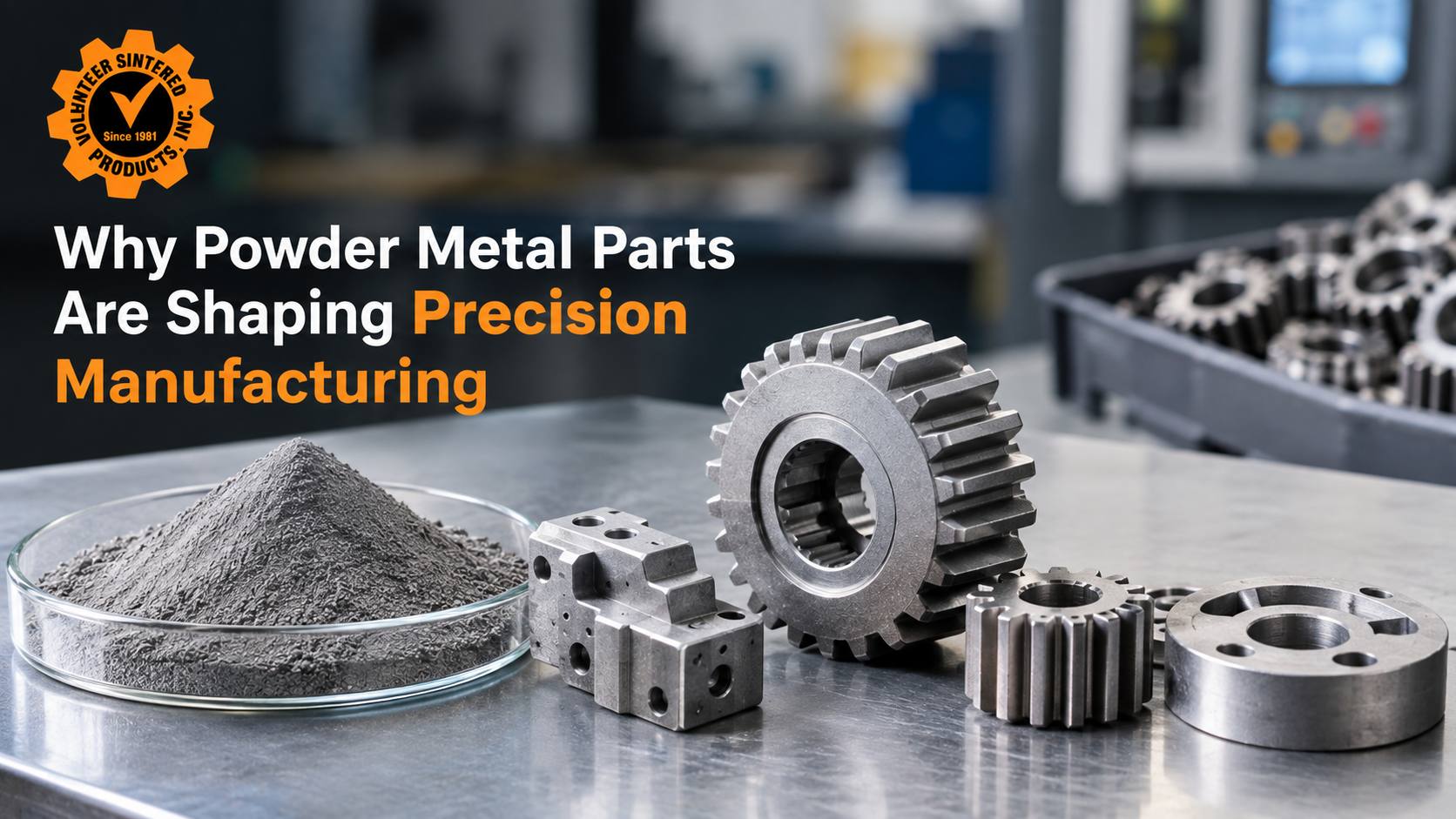
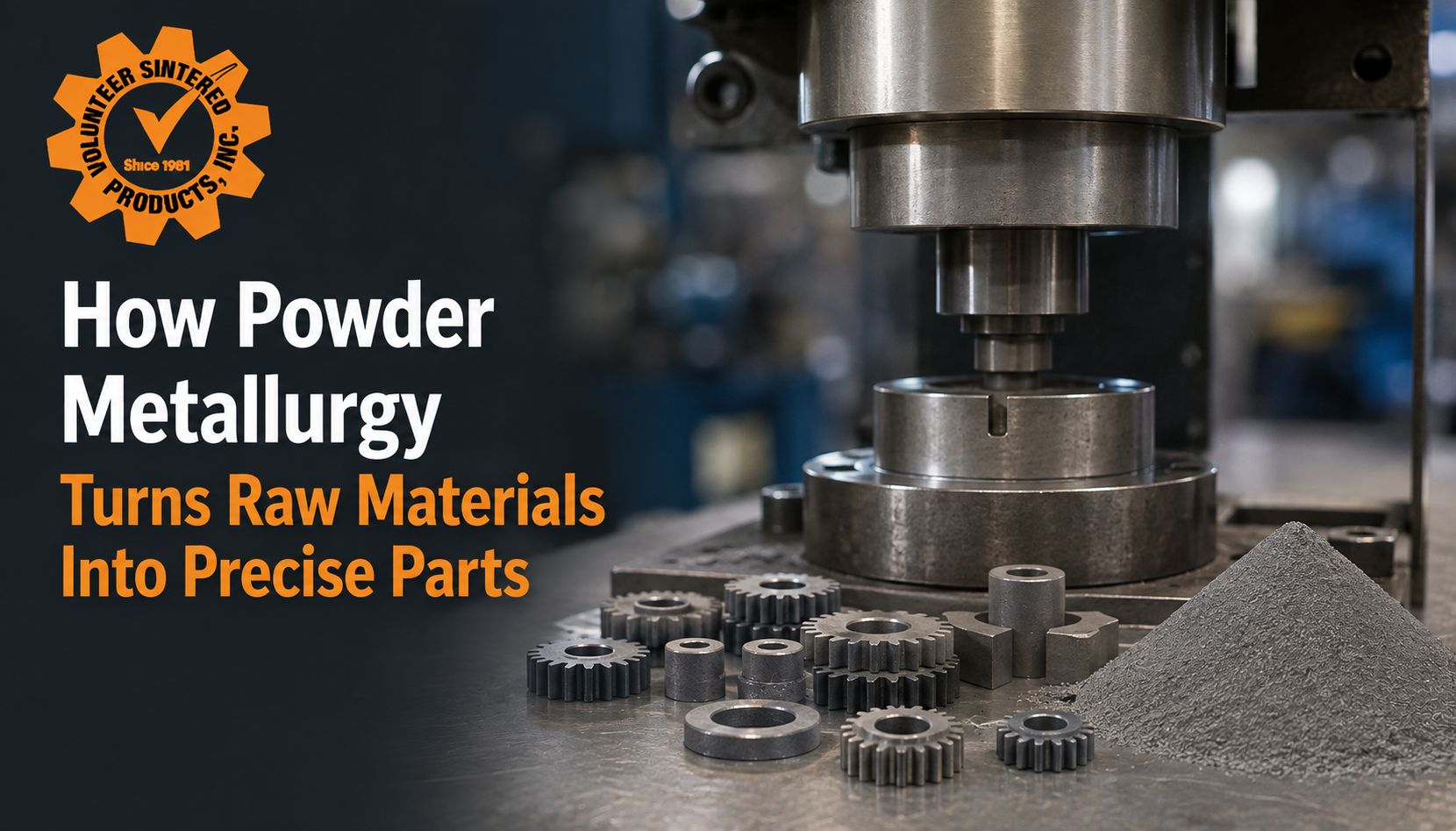
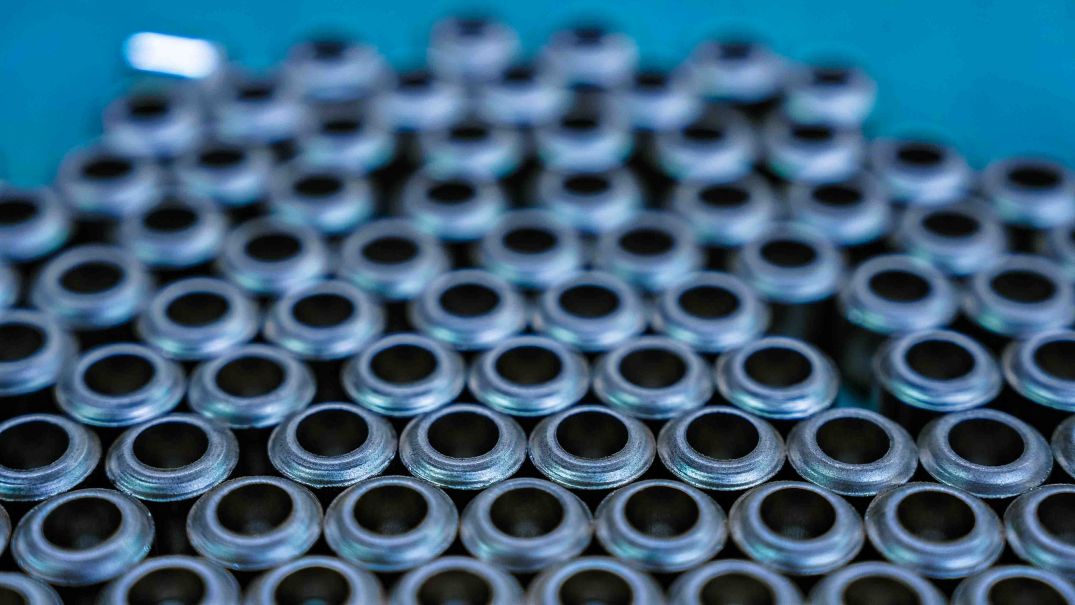
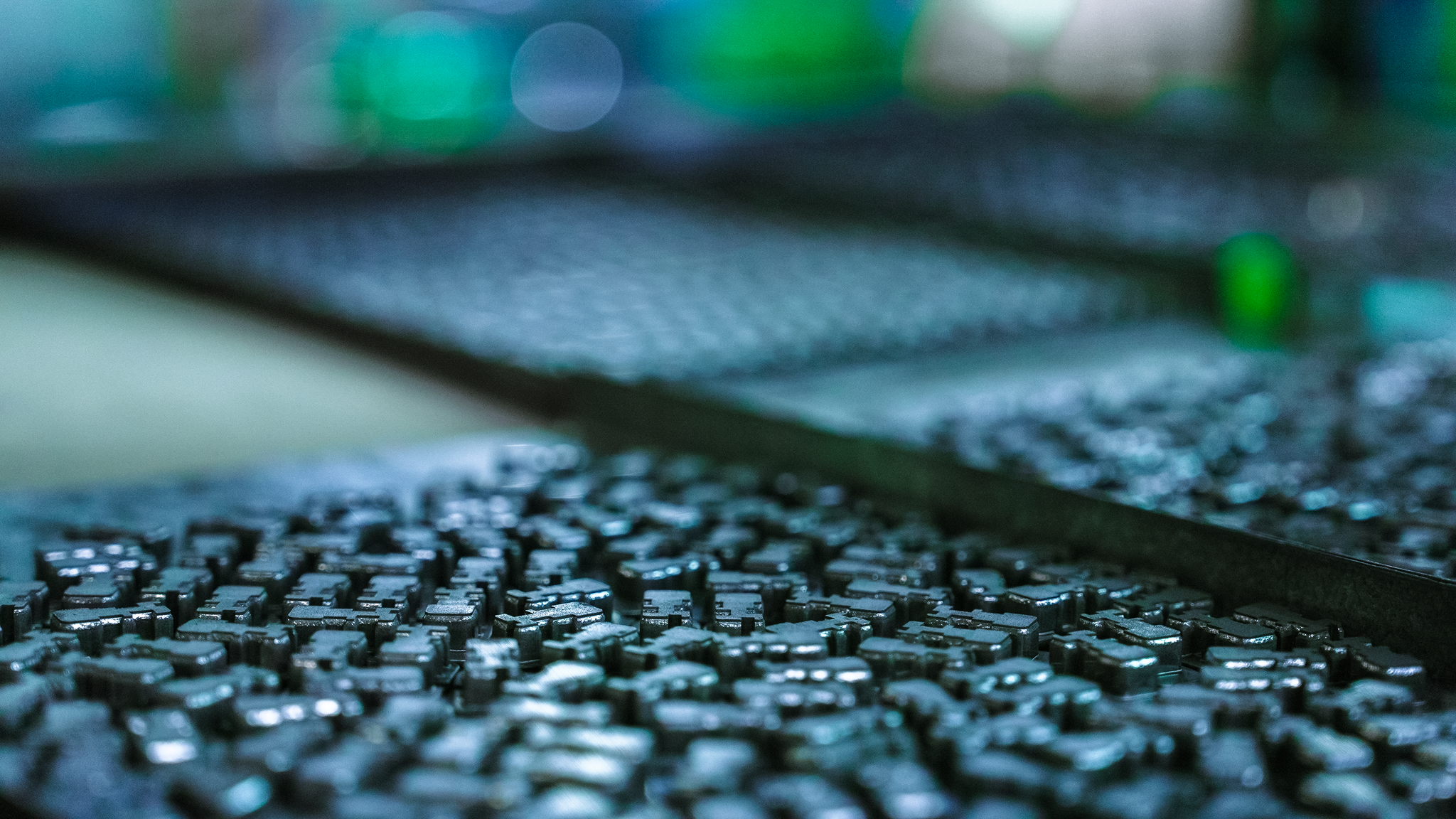
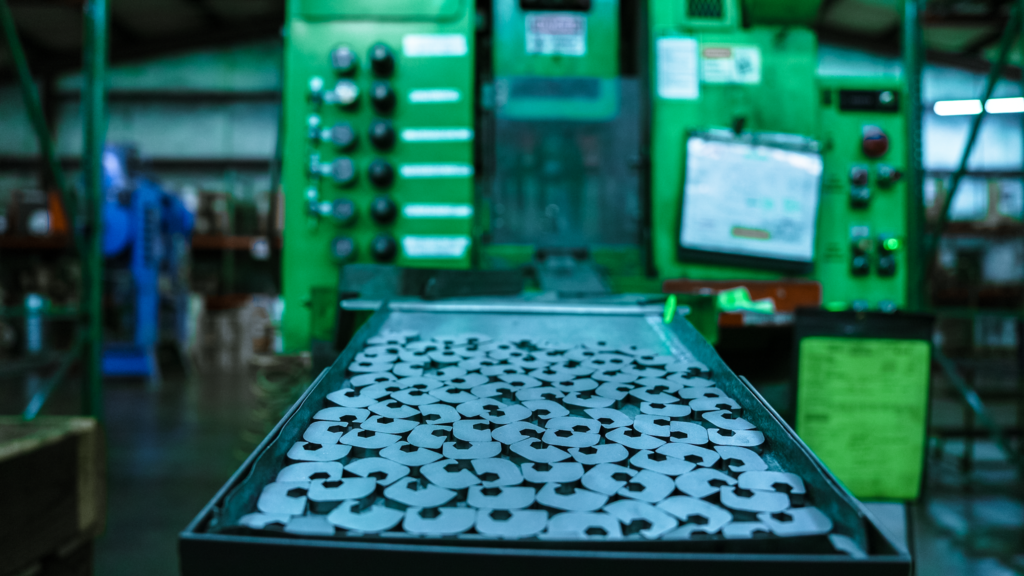
So, what exactly is powder metallurgy? Well, it’s a process where metal powders are pressed into shape, then heated until solid. It may sound simple, but it actually allows for really tight tolerances and complex shapes that would be tricky to make any other way. Plus, it’s cost-effective because it minimizes material waste.
I’ve noticed that parts made this way are super strong and durable. You’ll find them everywhere, from cars to industrial machines, and even aerospace components. And with the right engineering, even really intricate designs come out consistent and reliable. That’s why Volunteer Sintered Products’ powder metal parts are trusted across so many industries.
What Is Forging?
Forging, on the other hand, is more old-school. It’s the process where metal is heated and hammered into shape. This can be done by hand or with machines. And here’s the kicker: the hammering actually aligns the metal grains, giving the part exceptional strength.
Forging is ideal when you need parts that can handle serious mechanical stress. But to be fair, it’s not as flexible as powder metallurgy when it comes to complex shapes. And yeah, it usually requires more raw material and produces more waste. Still, for critical applications, forging is often the go-to.
Key Differences Between Powder Metallurgy and Forging
Here are the main differences between powder metallurgy and forging. Each method has its own strengths, limitations, and ideal applications.
- Process: Powder metallurgy uses metal powders. Forging uses solid metal.
- Complexity: Powder metallurgy can easily create intricate shapes. Forging struggles here.
- Material Waste: Powder metallurgy keeps waste low, forging can be messy.
- Cost: Powder metallurgy is cheaper for complex, high-volume parts. Forging is generally more expensive.
- Strength: Forged parts are extremely strong. Powder metallurgy parts are strong, too, but it depends on sintering.
- Customization: Powder metallurgy adapts easily via powder metal engineering. Changing forged parts is slower and more expensive.
Advantages of Powder Metallurgy
There’s a lot to like about powder metallurgy:
- Precision: Parts come out with tight tolerances.
- Efficiency: Less waste means lower costs.
- Complex Shapes: Intricate designs can be made without extra machining.
- Consistency: Each part meets quality standards reliably.
- Eco-Friendly: Minimal waste makes it greener.
Volunteer Sintered Products takes this even further, offering comprehensive solutions and ensuring each part matches exact specifications. And whether you need a small batch or a larger production run, custom designs are always an option.
Advantages of Forging
Forging has its perks, too:
- High Strength: Handles heavy loads and mechanical stress exceptionally well.
- Durability: The grain structure ensures longevity.
- Proven: This method has been trusted for decades.
- Simple Parts: Works great for large, uncomplicated shapes.
If you need extreme strength, forging still shines. Think automotive drivetrain parts, aerospace components, and industrial machinery.
Limitations of Powder Metallurgy and Forging
Powder metallurgy has some limitations to consider. Its strength can fall short for applications that require forging-level durability. Producing very large parts can also be challenging, and not every type of metal is suitable for this process. However, advanced powder metal engineering can overcome many of these hurdles, allowing even tricky parts to meet the required strength and precision.
Forging, on the other hand, has its own constraints. It can be expensive for small or intricate parts, and cutting or shaping often generates material waste. Forging also struggles with complex geometries, making it less ideal for intricate designs. For this reason, forging is best suited for high-stress, low-complexity components, while powder metallurgy offers much more flexibility in design.
Applications of Powder Metallurgy and Forging
Powder metallurgy parts are used in a variety of industries due to their precision and reliability. Common applications include automotive gears and engine components, industrial machinery parts, aerospace components, and electrical connectors and devices. Custom engineering solutions make it possible to adapt these parts for almost any application, with reliability and consistency as the primary goals.
Forged components are also widely used where high mechanical strength is essential. Typical examples include automotive crankshafts and axles, high-stress aerospace components, heavy machinery shafts and tools, and military hardware and structural parts. These applications benefit from forging’s superior durability and strength.
Choosing the Right Method
Choosing between powder metallurgy and forging ultimately depends on your project’s needs. If the design involves intricate or highly detailed shapes, powder metallurgy is usually the better choice. It also tends to be more cost-effective for high-volume production and offers the advantage of generating less waste, making it a more environmentally friendly manufacturing method. On the other hand, when extreme strength is the priority, forging remains the preferred option, though it can become expensive for smaller production runs.
Volunteer Sintered Products can help you navigate this decision with confidence. With extensive experience in powder metal parts and engineering, the team provides expert guidance to ensure you get the most efficient, cost-effective, and high-performance solution for your specific project.
Why Volunteer Sintered Products Stand Out
What really sets Volunteer Sintered Products apart is the combination of advanced powder metallurgy techniques with hands-on engineering. The team manages everything from consultation to finishing, so you get parts made to exact specifications.
Conversion projects are also offered, optimizing existing parts for better performance, faster production, and lower costs. The team analyzes the application, recommends materials, and even provides prototypes for testing.
With a focus on quality, durability, and precision, this approach goes beyond being just a supplier. It functions more like a true engineering partner. Custom designs, reliable support, and cost-effective solutions make it a standout choice in the industry.
Conclusion
Both powder metallurgy and forging deliver strong, reliable parts. Powder metallurgy stands out for precision, efficiency, and intricate designs, while forging still excels when raw strength and simplicity matter most.For those seeking expert guidance and dependable solutions, Volunteer Sintered Products ensures every project performs at its best. With a focus on powder metal parts and engineering, each component is crafted with precision, durability, and consistent results you can trust.