

Insights
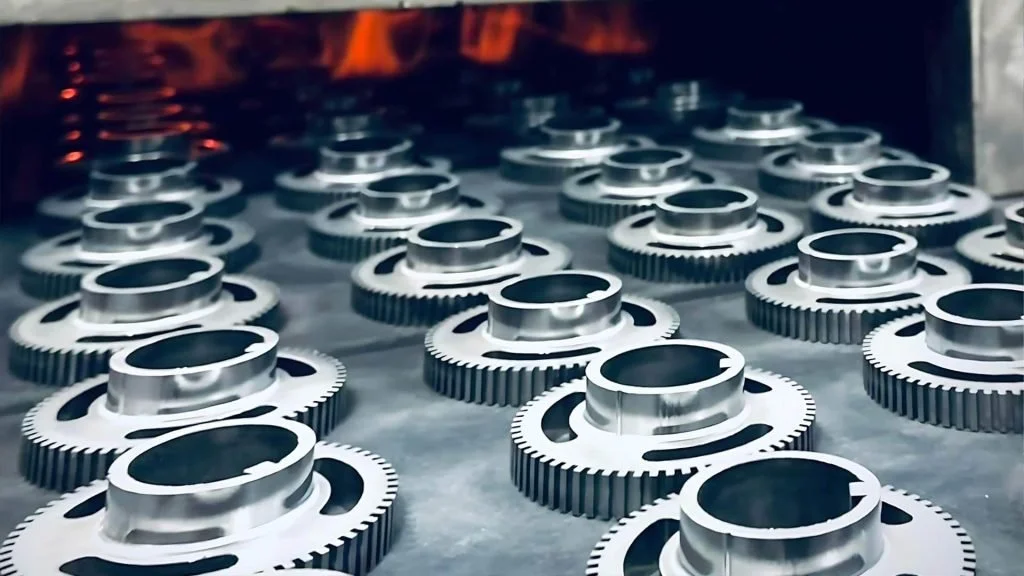
What is Powder Metal & How is it Used in Modern Manufacturing
Learn what powder metal is and how it is used in modern manufacturing to create strong, precise, and cost-efficient parts across key industries globally.
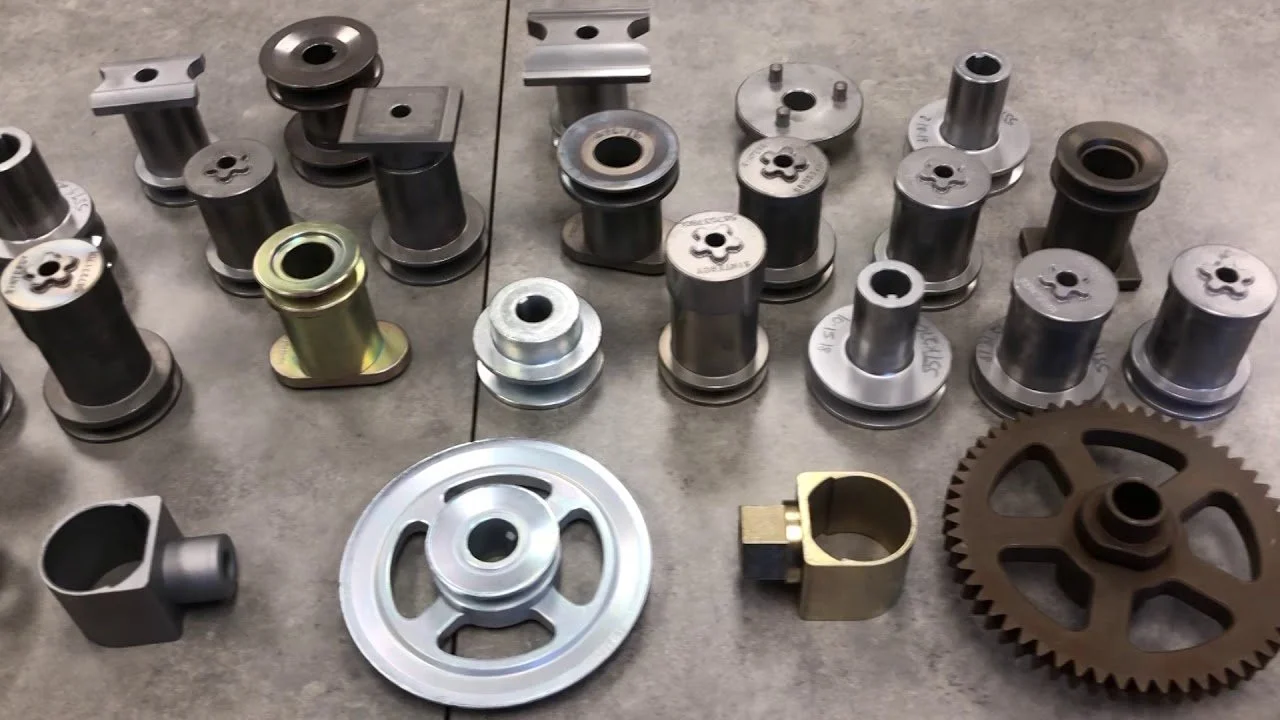
Complete Guides to Powder Metal Parts in Modern Engineering
Learn how powder metal parts enhance strength, precision, and efficiency in modern engineering through advanced powder metallurgy solutions for industries.
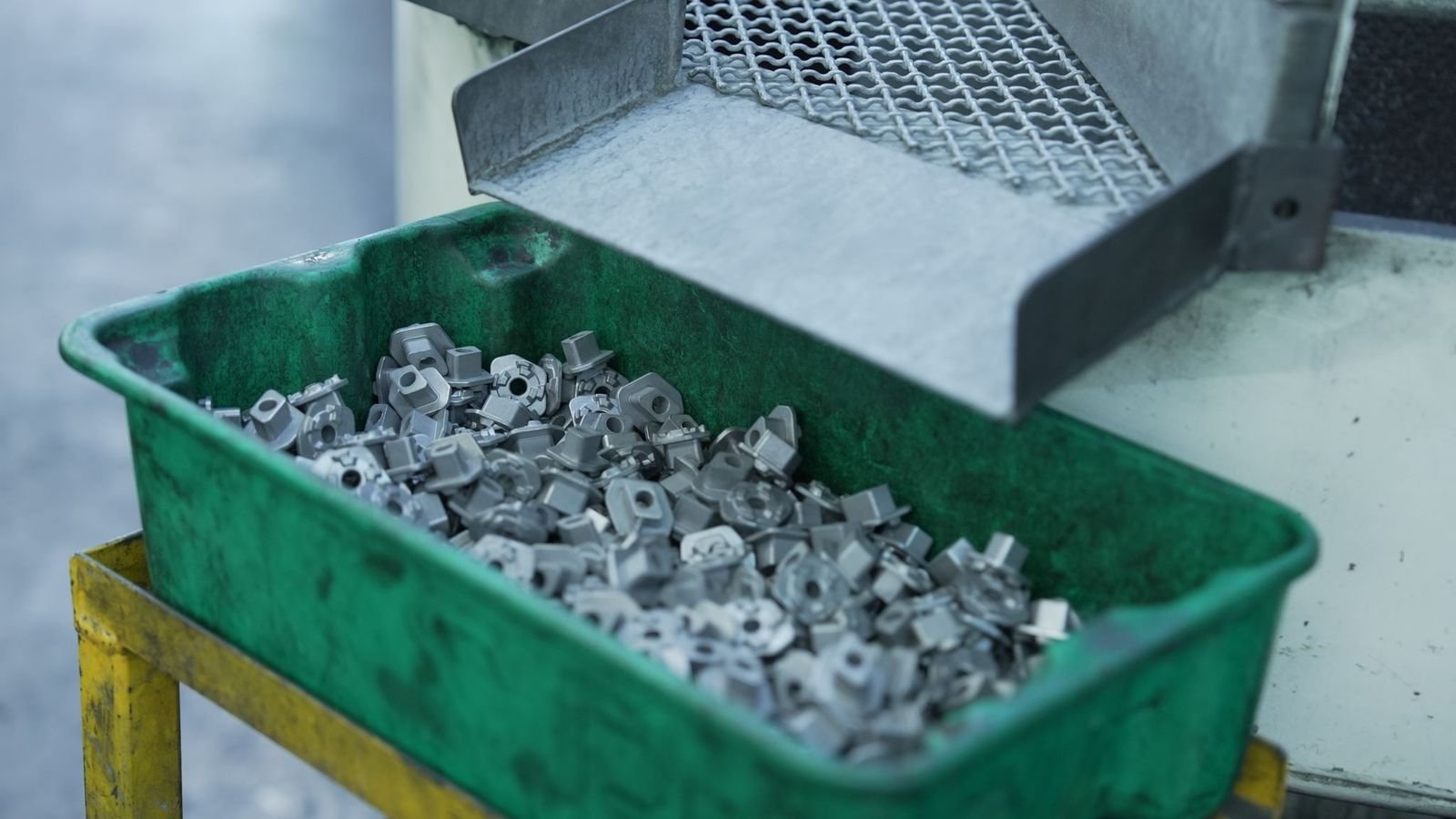
How Powder Metal Engineering Reduces Production Costs
Learn how powder metal engineering lowers production costs, boosts efficiency, saves materials, and delivers precise, durable, high-quality components.
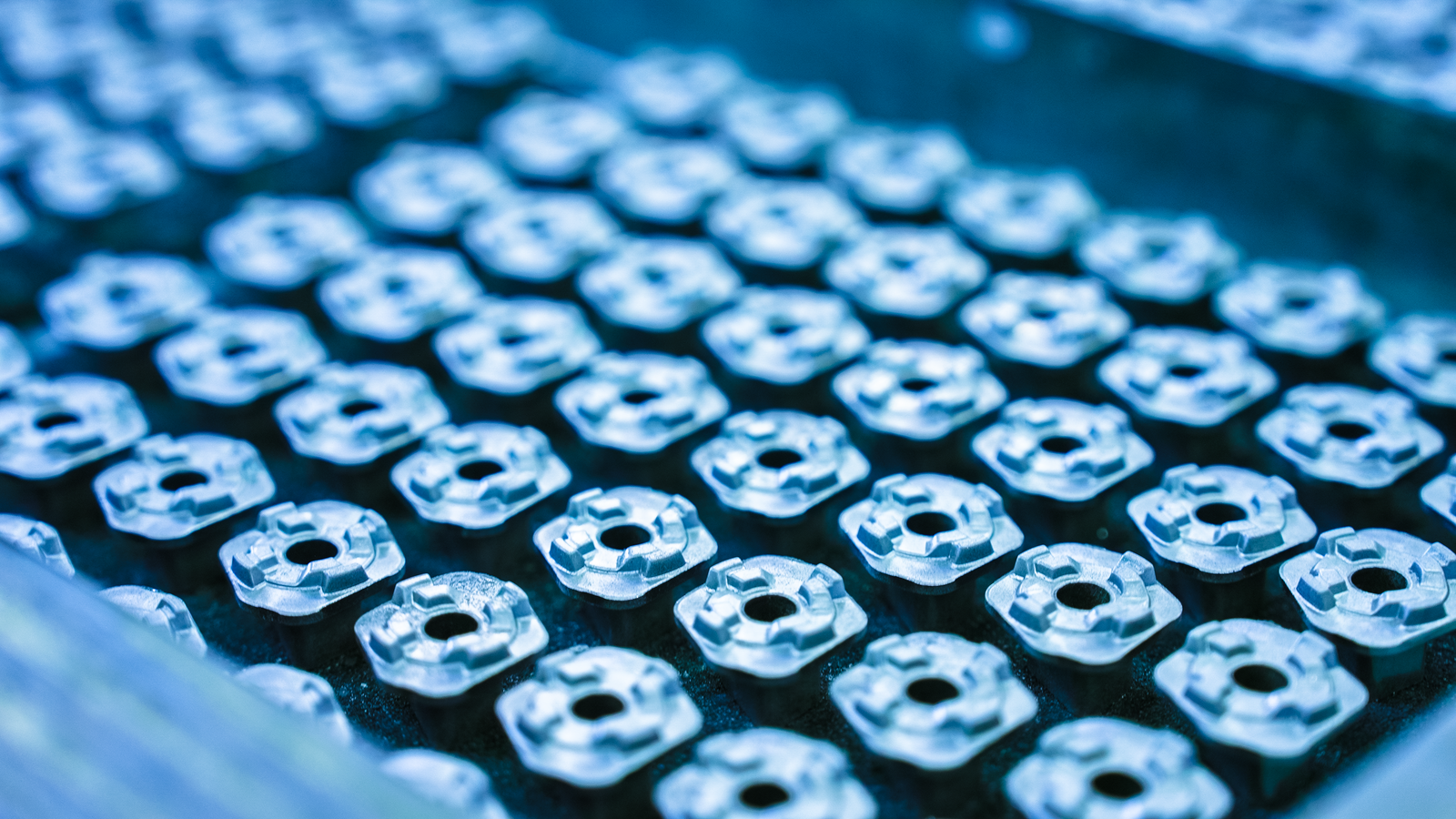
Types of Sintering and How Each One Affects Part Quality
Learn how conventional hot pressing and liquid phase sintering affect part quality, strength, density, precision, and durability in powder metal components.
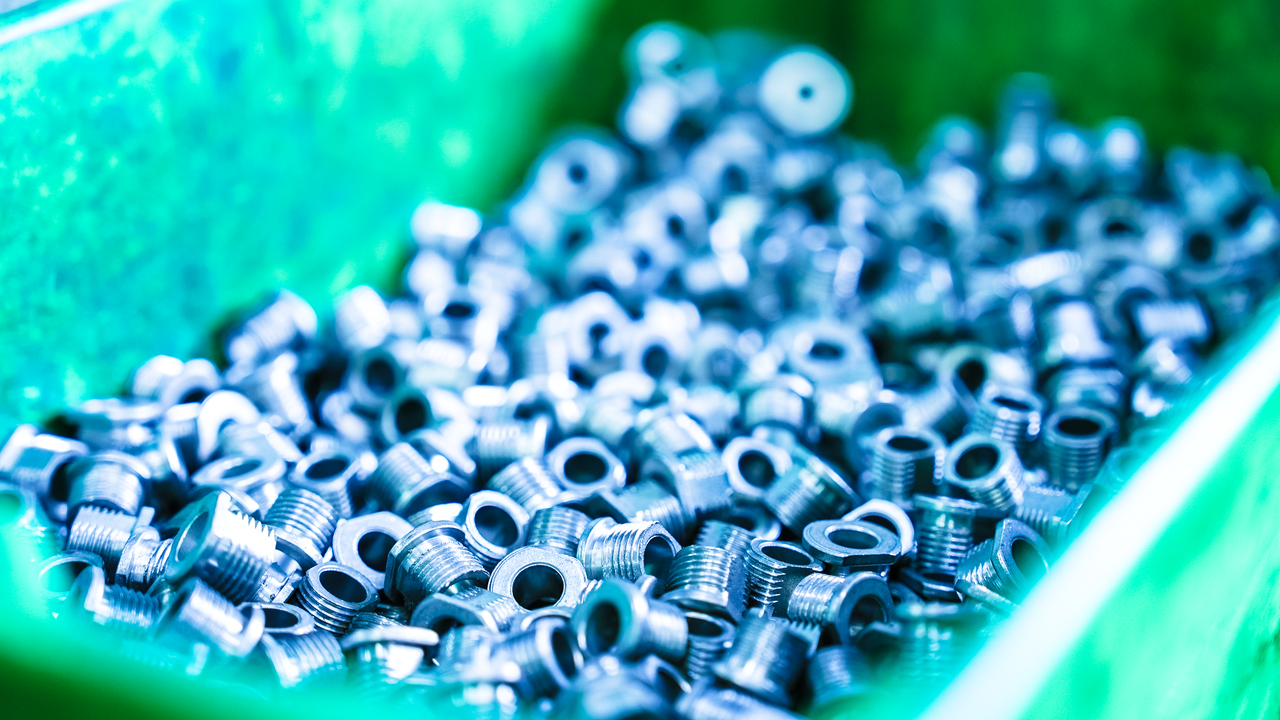
A Simple Guide to Choosing the Best Powder Metal Supplier
Discover how to choose the best powder metal supplier with insights on quality, cost, custom solutions, technical expertise, and manufacturing benefits.
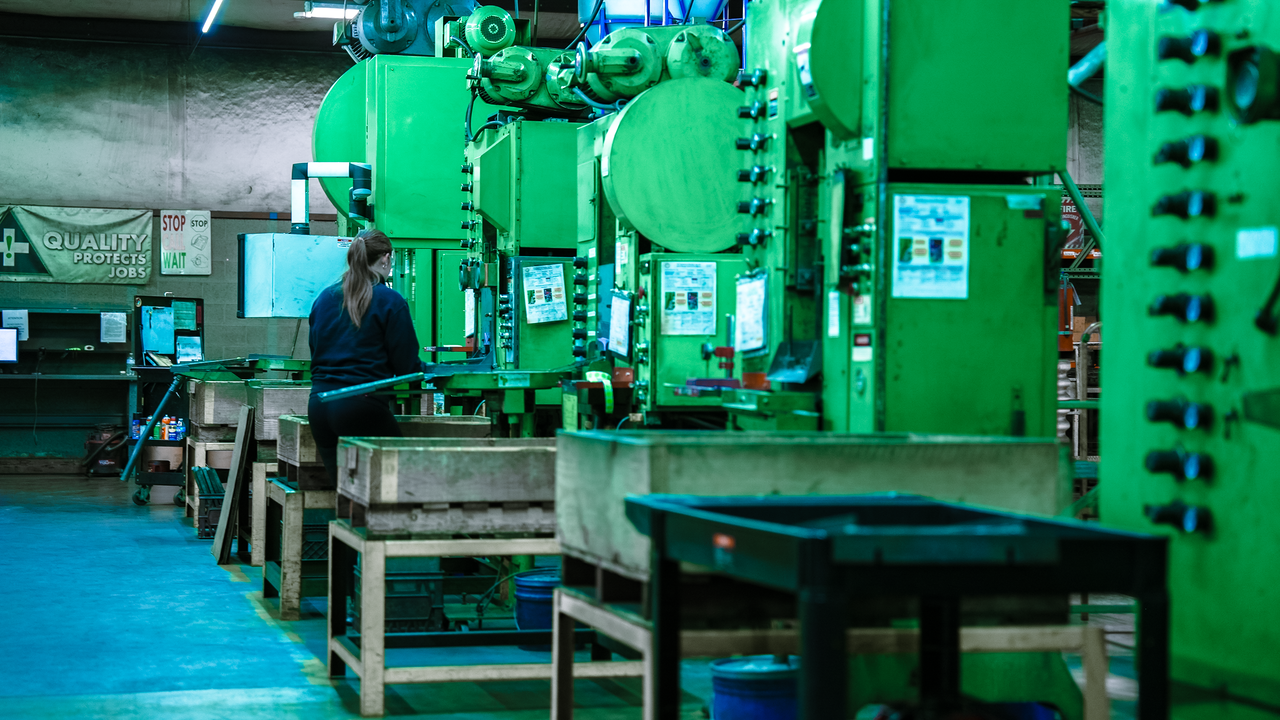
The Real Difference Between Powder Metal and Sintered Parts
Learn the key differences between powder metal and sintered parts, their applications, and how high-quality solutions improve performance and durability.
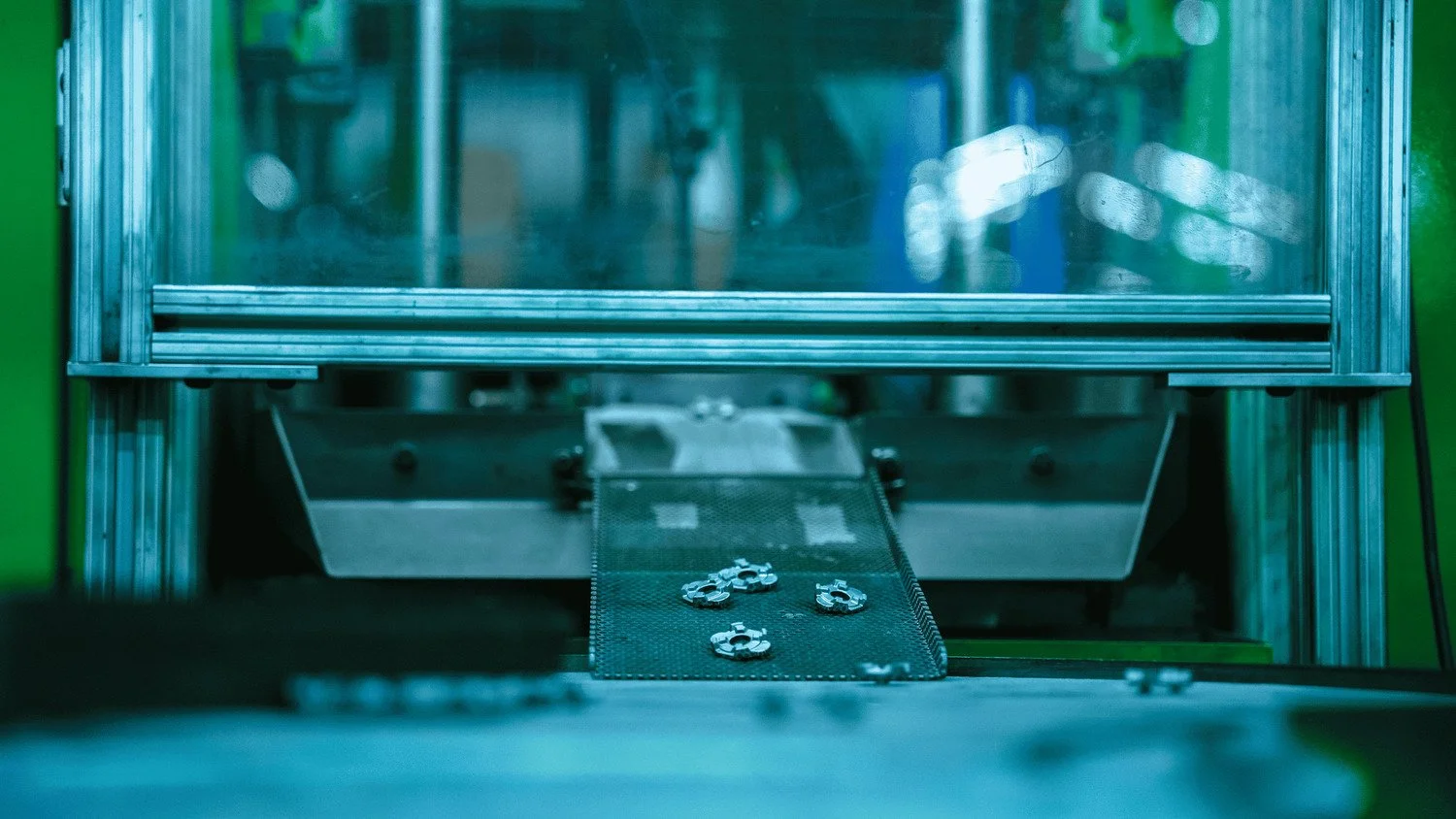
Powder Metallurgy vs Forging: Key Differences, Pros, and Cons
Powder metallurgy and forging are both reliable methods for producing durable metal parts. Powder metallurgy excels in precision, complex shapes, and low waste, while forging offers superior strength for high-stress applications.
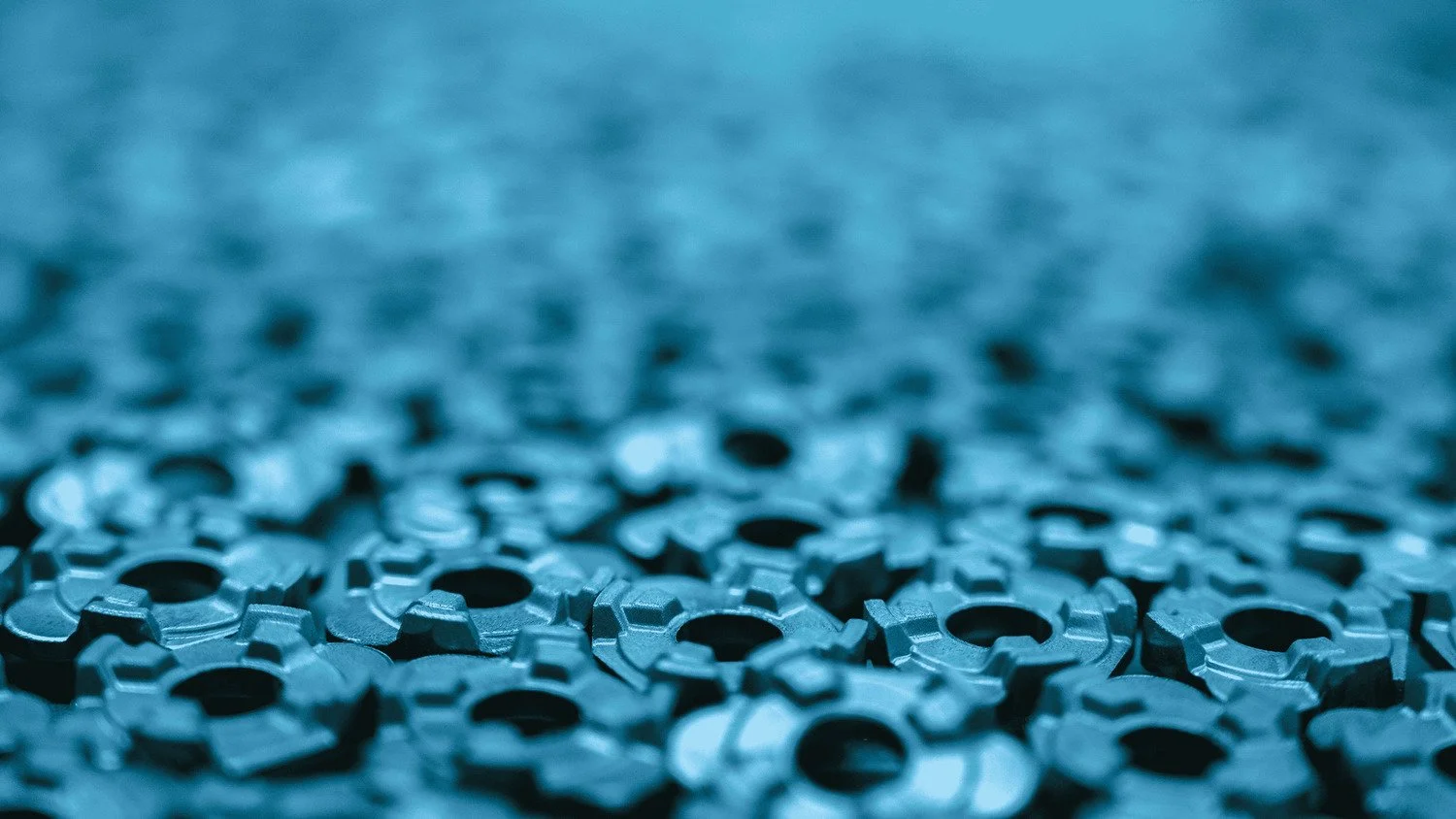
Powder Metal Solutions: Key Uses and Advantages Explained
Powder metal solutions deliver high-strength, precision parts with minimal waste—enabling complex designs, lower costs, and consistent performance across industries.
Exploring the Science Behind Sintered Metal Technology
Sintered metal technology shapes strong, precise parts by compacting and sintering metal powders. It cuts waste, boosts durability, and supports complex designs. Used in automotive, industrial, and heavy machinery, it delivers reliable, efficient components tailored for demanding conditions.
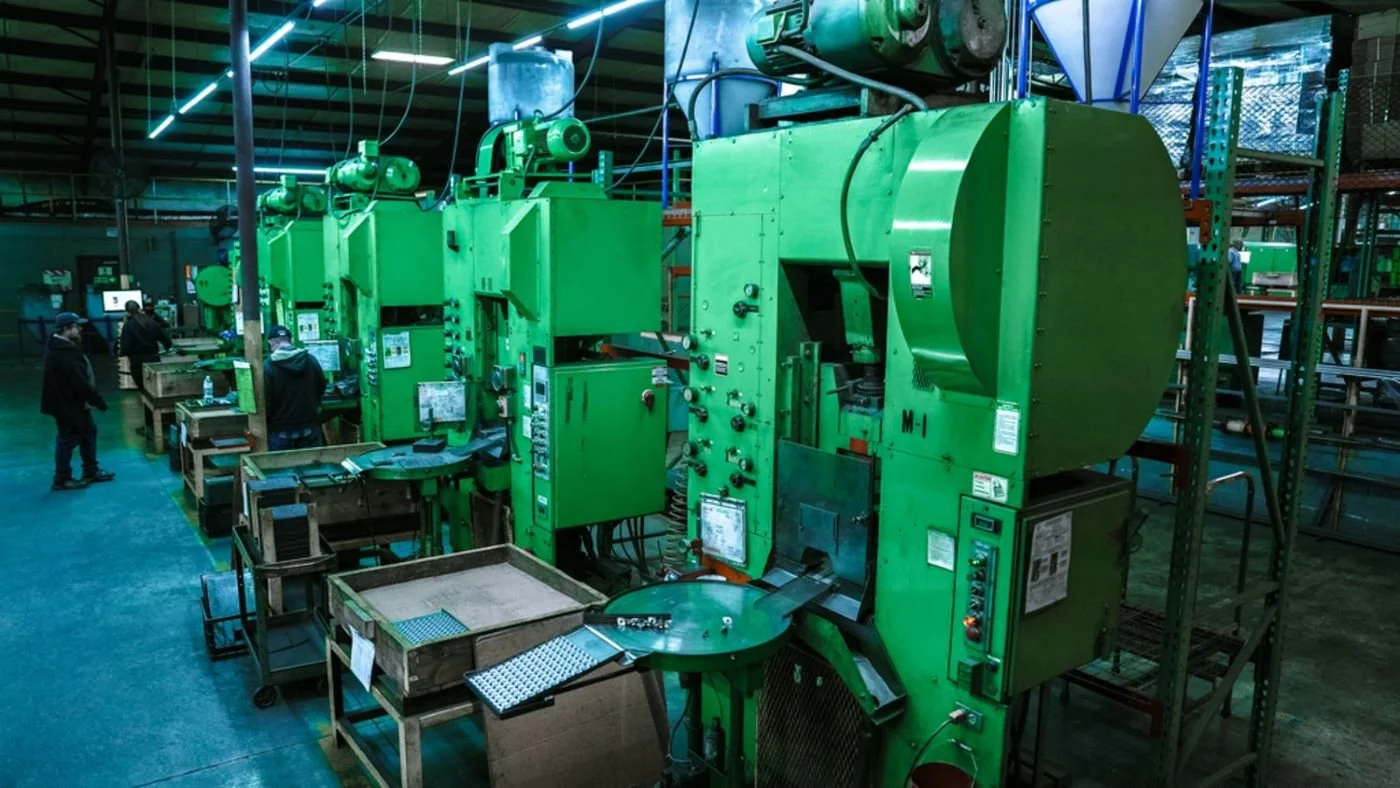
How Powder Metallurgy Enhances Industrial Manufacturing
Powder metallurgy forms strong, precise parts by pressing and sintering metal powders. It cuts waste, saves energy, and enables complex shapes. Industries like automotive, aerospace, and medical rely on its efficiency, tight tolerances, and consistent quality.
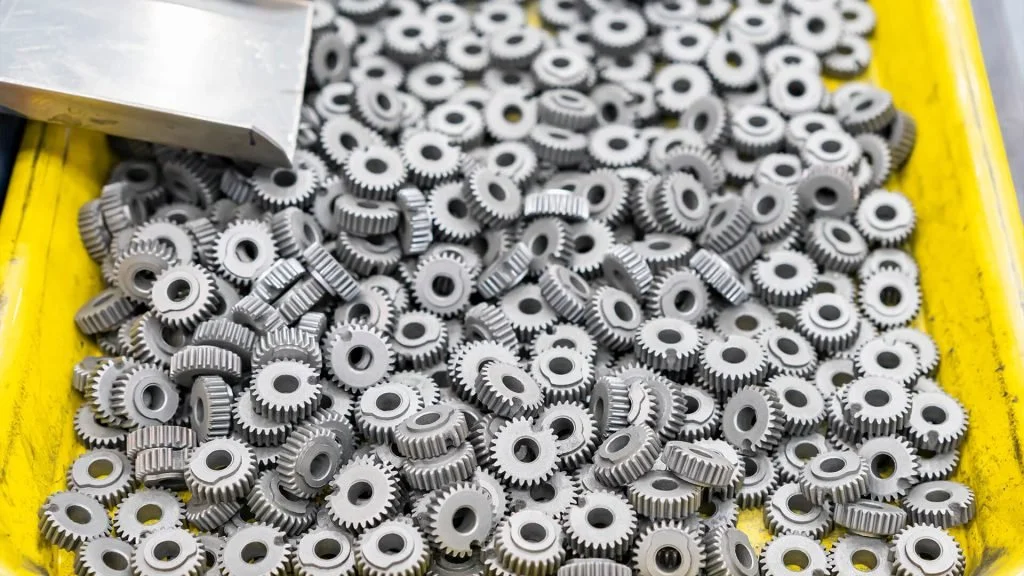
Why Industries Are Shifting Toward Sintered Metal Products
Sintered metal products deliver exceptional strength, precision, and consistency while reducing material waste and production cost. Their ability to achieve complex shapes and reliable performance makes them the preferred choice for industries seeking efficient, high-quality components.

Understanding the Strength and Durability of Sintered Metals
Sintered metals offer exceptional strength, precision, and cost efficiency across industries like automotive and aerospace. Their advanced manufacturing process ensures durability, reliability, and sustainable performance.

Exploring the Common Uses of Sintered Metal Products
Sintered metal products power industries from automotive to aerospace with durable, efficient, and precisely engineered components. Their strength, design flexibility, and sustainability make them essential in modern manufacturing and innovation.