

How Powder Metallurgy Enhances Industrial Manufacturing
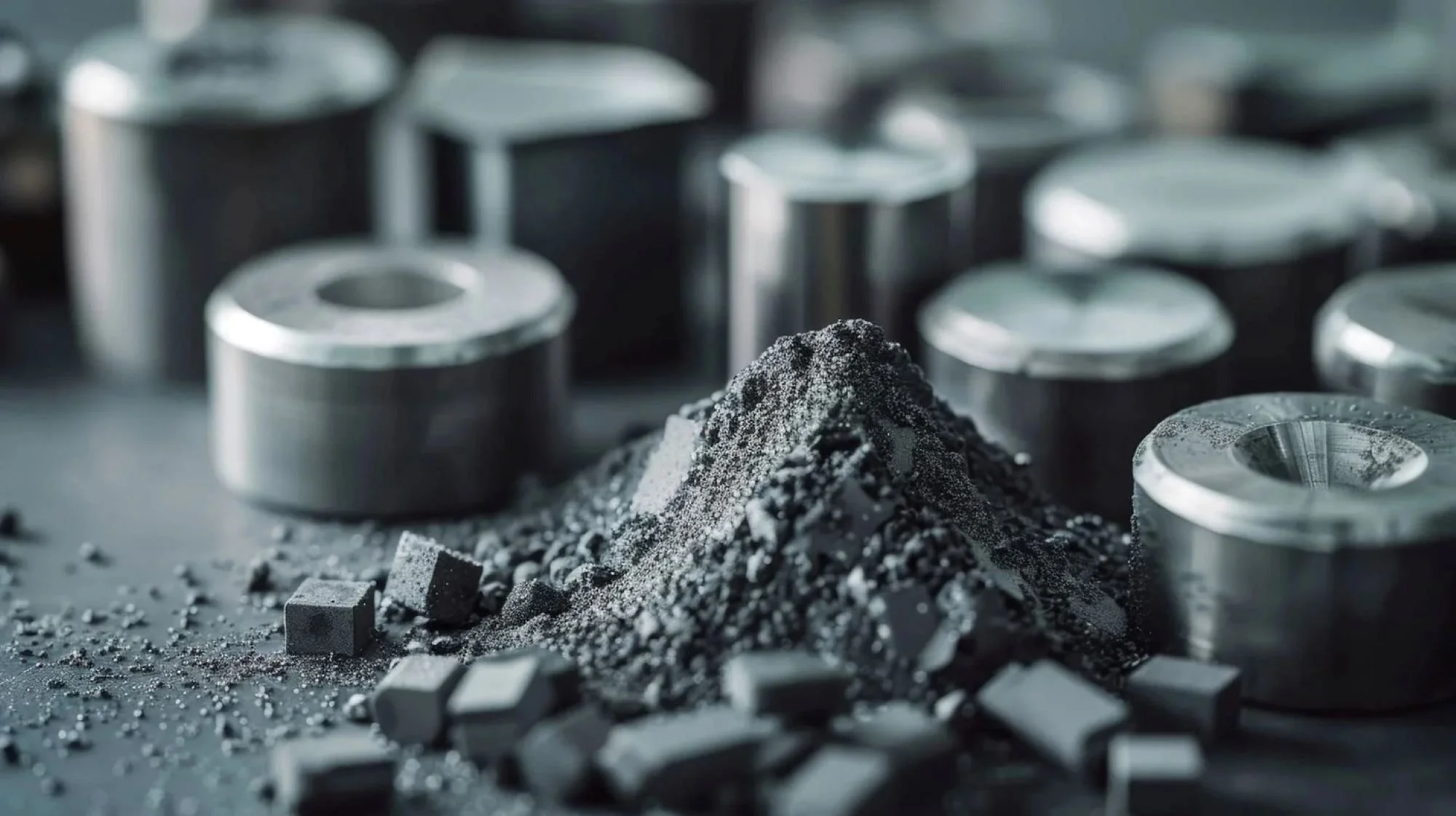
Powder metallurgy is a manufacturing technique. It uses metal powders to create parts. The process starts with fine metal particles pressed into shapes and then gets heated in a controlled environment. The heating step is called sintering, and during this process, particles bond together. They form a solid piece. The result is a strong, precise component.
This method differs from traditional metalworking. Traditional methods melt metal completely and pour it into molds, then cut away excess material. Powder metallurgy skips these steps.
Why Industries Choose This Process
Cost savings drive many manufacturing decisions. Powder metallurgy delivers on this front. The process wastes less material than machining. Less waste means lower costs. Energy consumption matters too. Sintering requires less energy than full melting. This reduces production expenses. It also helps the environment.
The precision is remarkable. Parts come out with tight tolerances. This reduces the need for additional machining. Manufacturers save time and money. Complex shapes become possible. Traditional methods struggle with intricate designs. Powder metallurgy handles them with ease. This opens new design possibilities.
Key Benefits for Manufacturers
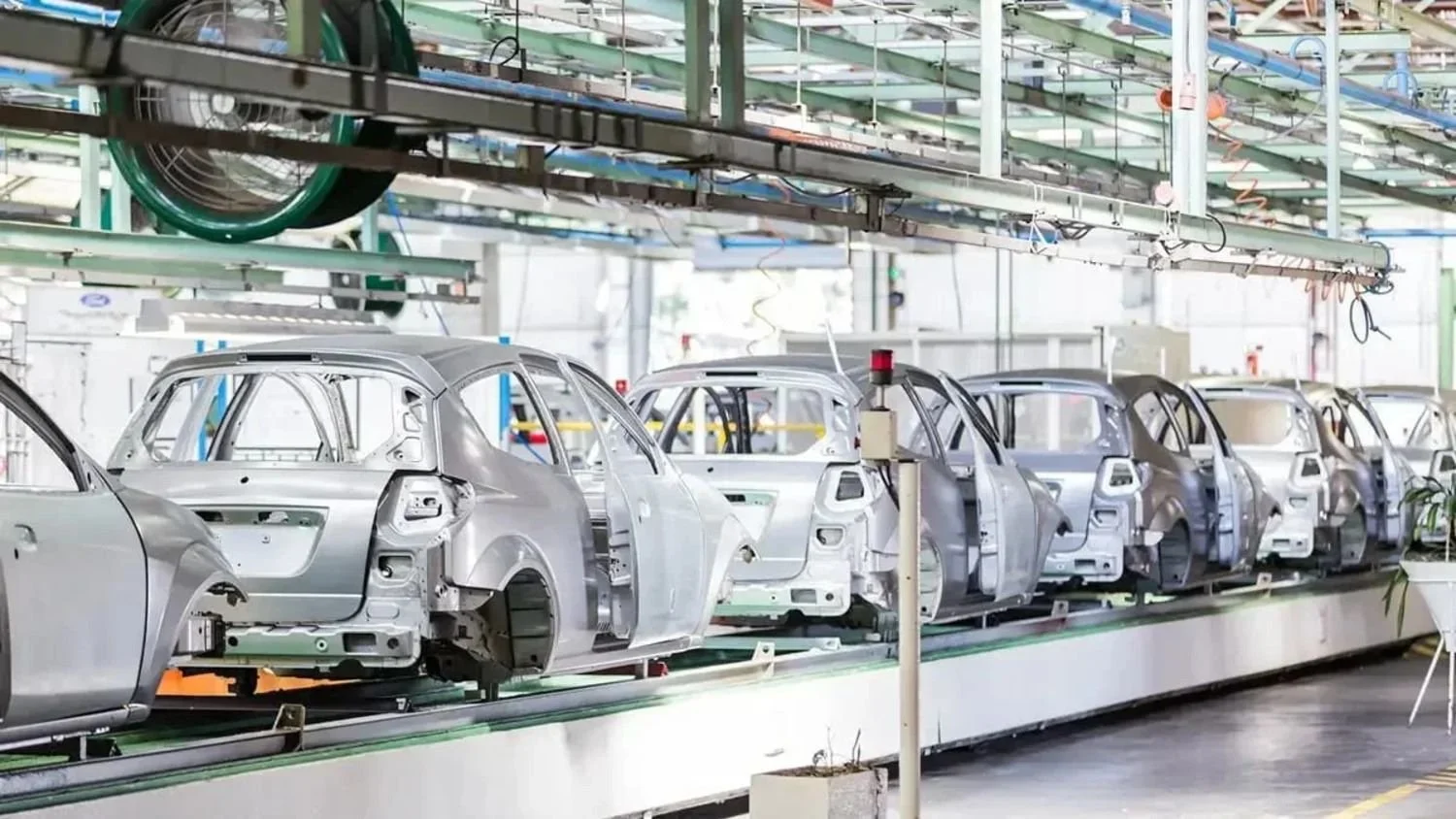
Industrial Manufacturing
Material efficiency tops the list of advantages. The process uses up to 97% of the starting material. Compare this to machining, which can waste 50% or more. The math favors powder metallurgy. Consistency is another major benefit. Each part matches the previous one. This repeatability is crucial for mass production. Quality stays uniform across thousands of pieces.
Production speed increases with this method. Multiple parts can be made at once. The automated nature reduces labor costs. Output rises while expenses drop. Special properties can be built in. Porosity can be controlled for filters. Hardness can be adjusted for gears, and density variations serve different purposes. This flexibility is hard to match.
Common Applications
The automotive industry relies heavily on this technology. Gears, bearings, and connecting rods are common products. Engine components benefit from the precision. Transmission parts gain strength and durability.
Aerospace applications demand high performance. Turbine components must withstand extreme conditions. Medical devices use these manufacturing techniques. Surgical instruments require biocompatible materials. Implants need specific porosity levels. The process delivers both.
Consumer electronics contain numerous small parts. Connectors, contacts, and housings are examples. The miniaturization trend favors this method. Tiny components can be made economically.
The Manufacturing Process Explained
The journey begins with powder preparation. Metal powders must meet strict specifications. Particle size matters greatly. Distribution affects the final product. Mixing comes next in the sequence. Different powders may be combined, like lubricants, to help with pressing and blending must be thorough and uniform.
Compaction shapes the powder mixture. Hydraulic presses apply tons of force to take the shape of the die. Green strength holds the shape together, pressed powder. Furnaces heat parts below the melting point. Atomic diffusion bonds particles together. The structure becomes dense and strong.
Secondary operations may follow sintering. Some parts need additional machining. Others require heat treatment. Coatings can be applied for protection.
Material Options Available
Ferrous metals dominate powder metallurgy applications. Iron and steel powders are common. They offer strength at reasonable costs. Carbon content can be controlled precisely. Stainless steel powders resist corrosion. They suit harsh environments. Medical and food industry applications prefer them. The properties match many demanding requirements.
Copper and its alloys serve electrical needs. Bronze bearings run smoothly and last long. Brass components resist corrosion well. Thermal conductivity is excellent. Aluminum powders create lightweight parts. The aerospace industry values this quality. Automotive applications benefit from weight reduction. Fuel efficiency improves as a result.
How Powder Metal Parts Compare to Alternatives
Casting produces parts from molten metal. It works for large components, but precision suffers compared to powder methods. Surface finish requires more work. Machining starts with solid material blocks. Cutting tools remove unwanted material. The waste is significant. Production time increases for complex shapes.
Forging shapes metal through compression, producing strong parts with excellent grain flow. However, it involves high die costs and offers limited design flexibility. In comparison, powder metal parts provide greater efficiency, tighter tolerances, and more complex shapes with lower tooling costs, making them a strong alternative for many applications.
Quality Control Measures
Density checks ensure proper sintering. Parts must meet minimum density requirements. Testing happens through various methods. Water displacement is one common technique. Dimensional inspection verifies accuracy. Coordinate measuring machines check key features. Tolerances must stay within specifications. Statistical process control tracks trends.
Mechanical testing validates strength properties. Tensile tests measure maximum load capacity. Hardness tests check surface characteristics. Impact tests reveal toughness levels. Microstructure analysis reveals internal quality. Metallographic examination shows the grain structure. Porosity levels get quantified. Any defects become visible.
Future Trends in the Industry
Advanced materials continue to emerge. New alloy combinations push performance boundaries. Composite powders blend different properties. Innovation drives the field forward. Automation increases in manufacturing facilities. Robotics handles material movement, and computer controls optimize process parameters. Human oversight remains but changes form.
Digital integration transforms operations to monitor production in real time. Data analytics predict maintenance needs and quality improvement. Sustainability becomes more important. Recycling of metal powders reduces waste and lowers carbon footprints. Environmental responsibility shapes decisions.
Choosing the Right Manufacturing Partner
Industrial Manufacturing
Experience matters when selecting a supplier. Years in business indicate reliability. Technical expertise solves complex challenges. Ask about their track record. Capabilities should match your needs. Equipment determines what's possible. Some facilities specialize in certain materials. Others focus on specific industries.
Quality systems protect your interests. ISO certifications demonstrate commitment. Traceability ensures accountability. Documentation supports your own compliance. Powder metal solutions require careful planning. Design collaboration improves outcomes. Early involvement prevents problems. Communication keeps projects on track.
Conclusion
Powder metallurgy transforms how parts are made. Its benefits extend across many industries. Cost savings combine with strong technical advantages. Performance meets or exceeds traditional methods. Design freedom opens new possibilities, and efficiency supports sustainability goals. Fast production satisfies market demands, and consistent quality builds customer confidence.
The technology continues evolving and improving. New applications appear regularly to drive innovation in the industry forward. When you need reliable powder metallurgy solutions, choose an experienced partner. Volunteer Sintered Products brings decades of expertise to every project. Our commitment to quality and innovation makes us a trusted choice. Contact them to discuss how powder metallurgy can enhance your manufacturing processes.
