
What is Powder Metal & How is it Used in Modern Manufacturing
Powder metal is a key process in modern manufacturing. It shapes metal powders into strong and precise parts. This method is widely used across many industries. It offers efficiency, accuracy, and material savings.
The process creates durable and complex components. It supports applications across automotive, industrial, and many other sectors. Powder metallurgy helps manufacturers produce reliable parts with minimal waste.
Understanding Powder Metal
Powder metallurgy is a manufacturing method. It uses fine metal powders to create solid parts. The powders are pressed into shape. Then they are heated through a process called sintering. This process bonds particles without full melting. The result is a strong and reliable component. It reduces waste and improves consistency.
Many industries depend on this method. It helps produce parts with tight tolerances. It also supports complex shapes that are hard to machine. This is where modern powder metal solutions help achieve high precision.
The Powder Metal Manufacturing Process
The process follows several clear steps. Each step plays an important role in the final product.
1. Powder Production
Metal powders are created using atomization or chemical methods. Common materials include steel, iron, and aluminum. The powder size affects final quality.
2. Compacting
The powder is pressed into a mold. This creates a “green” part. The part holds its shape but lacks full strength.
3. Sintering
The part is heated in a controlled furnace. The particles bond together and increase strength and durability.
4. Finishing
Some parts require finishing. This may include machining or heat treatment. Oil impregnation can also be added for lubrication.
Volunteer Sintered Products follow strict standards in every step. The process ensures consistency and strength in every component.
Key Benefits of Powder Metal Parts
Powder metal offers many advantages over traditional methods. These benefits make it a preferred choice.
High Precision: Powder metal parts offer excellent dimensional accuracy. This reduces the need for extra machining.
Cost Efficiency: Material waste is minimal. Production cost stays low for high-volume runs.
Design Flexibility: Complex shapes are easier to produce. This includes gears, filters, and structural parts.
Material Efficiency:Nearly all powder becomes part of the product. Waste stays under 3% in many cases.
Consistent Quality: Each part maintains uniform properties. This helps in mass production. Volunteer Sintered Products delivers these benefits through advanced powder metal solutions.
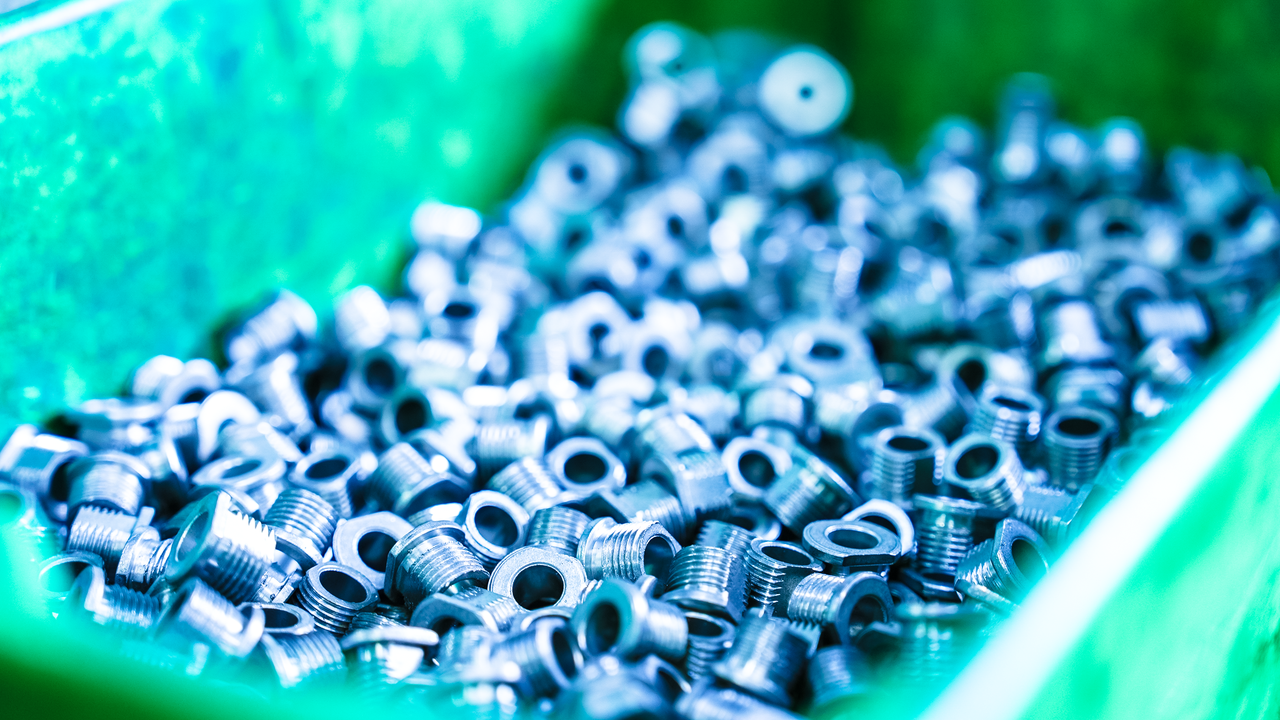
Applications in Modern Industries
Powder metal plays a major role in many industries. Its strength and precision make it ideal for critical parts.
Automotive Industry: This is one of the largest users. Common parts include gears, camshaft components, and bearings. These parts must handle stress and friction.
Aerospace Industry: Lightweight and strong parts are important here. Powder metal helps meet strict performance standards.
Industrial Machinery: Gears, tools, and guide components benefit from this process. The parts last longer and require less maintenance.
Medical Equipment: Small and precise components are needed in medical devices. Powder metallurgy supports this need. Volunteer Sintered Products supports these industries with advanced powdered metal manufacturing capabilities.
Custom Powdered Metal Manufacturing
Custom manufacturing is a key strength of powder metallurgy. It allows companies to create parts tailored to specific needs. The process works closely with clients. Designs are reviewed, and improvements are suggested. This ensures the final product performs as expected.
The powdered metal manufacturing process supports both small and large parts. It also handles complex geometries with ease. The team ensures each part meets industry requirements. This includes strength, durability, and precision.
Modern Advancements in Powder Metallurgy
Powder metallurgy continues to evolve. New techniques improve efficiency and capabilities.
Metal Injection Molding (MIM): This method combines powder metal with plastic binders. It allows for injection molding processes. It is ideal for small, detailed parts.
Advanced Materials: New alloys are being developed. These materials improve strength and resistance.
Improved Sintering Techniques: Modern furnaces offer better control. This results in higher quality and consistency. Modern methods are adopted to stay competitive and deliver better results.
Conversion Engineering Process
Volunteer Sintered Products offers a unique conversion process. It helps replace traditional manufacturing methods with powder metal solutions.
This process includes:
Reviewing existing designs
Analyzing performance issues
Suggesting better materials
Improving part geometry
Testing prototypes
This approach reduces cost and improves efficiency. It also enhances product quality.
Conclusion
Powder metal is a modern solution for manufacturing. It offers strength, precision, and cost savings. It also supports complex and custom designs. Volunteer Sintered Products provides expert powder metal solutions and powdered metal manufacturing services. This process ensures quality and consistency.
If you are looking for trusted manufacturing support, you can explore more and reach out to discuss your specific requirements and find the right solution for your needs.
